
At a heavily guarded checkpoint outside the indigenous hamlet of San Ángel Zurumucapio, eighteen-year-old Óscar García regularly brings his pickup truck to a halt before masked men carrying semi-automatic rifles. The young driver recognizes the militia sentries, trading familiar greetings before being waved through the perimeter. What was once a sleepy rural community is now an armed enclave, transformed by the staggering profits and intense violence associated with the global appetite for avocados.
Seated beside the teenager, his 74-year-old grandfather, Francisco, can only look out at the landscape with a mixture of nostalgia and sorrow. For generations, this region of western Mexico was impoverished but largely tranquil. The dramatic expansion of commercial agriculture reshaped the entire local economy, yet the immense wealth generated across the state of Michoacán arrived hand in hand with widespread intimidation, extortion, and grief.
For the García family, the crisis is deeply personal. As Óscar navigates his truck past the checkpoints and onto the rutted dirt tracks weaving through mountain orchards, the daily routine of farm labor is overshadowed by a painful memory. Several miles beyond the town center, along a secluded stretch of road, sits the exact spot where authorities discovered his father’s abandoned truck following a kidnapping that left the family fractured.
San Ángel Zurumucapio is a close-knit community of roughly 6,000 residents steeped in P'urhépecha indigenous heritage. Traditionally, life in the settlement unfolded around agricultural cycles, extended family networks, and community rodeos held every few months. For decades, economic opportunities were severely limited, pushing young men into difficult manual labor or forcing them to migrate abroad in search of sustainable wages.
In his youth, Francisco traversed the region on horseback when the slopes were blanketed by dense virgin pine forests. To support his family of twelve children, he spent long years draining resin from trees before eventually traveling north to find work in Texas. The money he sent home enabled him to construct a house large enough for his household, setting a precedent that his eldest son, known locally as Pancho, would later follow.
Pancho likewise spent six years laboring on a Christmas tree farm in North Carolina. When he finally returned to Michoacán to build a future alongside his wife, Terésa Pérez, he invested his savings directly into the land. He cleared a hillside plot and planted his first avocado saplings, capitalizing on a geopolitical shift that was about to revolutionize the agricultural landscape of western Mexico.
The defining turning point came in 1997, when the United States lifted its longstanding prohibition on the importation of Mexican avocados following the implementation of the North American Free Trade Agreement. The policy shift opened an enormous consumer market, driving an explosion in demand that quickly turned Michoacán into the undisputed center of global avocado production.
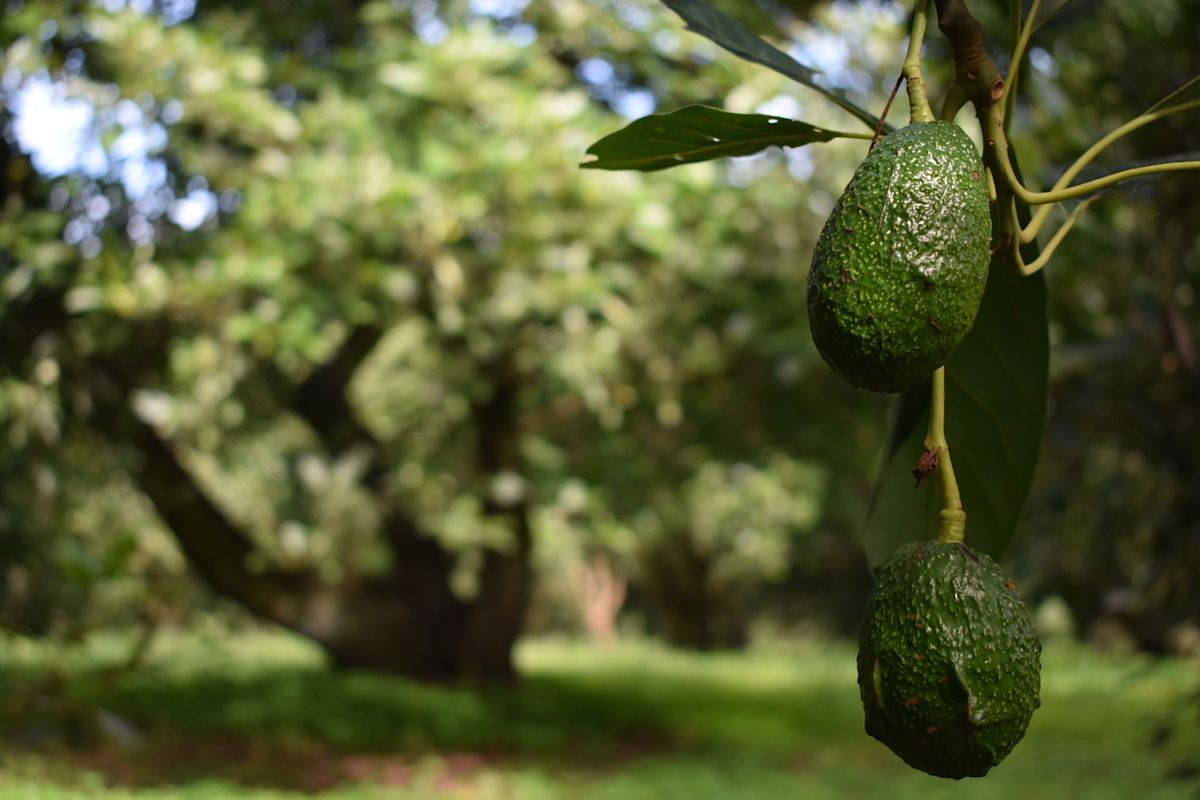
Over the ensuing three decades, the fruit known as "green gold" catapulted countless agrarian families out of generational poverty and firmly into the middle class. Pancho and Terésa built a spacious residence, purchased modern vehicles, and took family vacations to the coast. Their income allowed them to provide quality clothing and schooling for their three children, Ana, Óscar, and José, mirroring the upward mobility experienced by neighbors who had converted land into productive groves.
However, the rapid monoculture boom generated severe environmental and societal repercussions. The aggressive clearing of hundreds of thousands of acres disrupted the regional ecosystem, with extensive deforestation driving up local temperatures and contributing to a decline in seasonal rainfall. More destructively, the vast cash flows circulating through rural Michoacán quickly attracted the attention of powerful organized crime groups.
By the mid-2000s, criminal organizations previously focused on trafficking cocaine, heroin, and synthetic methamphetamine recognized the immense profits embedded in the avocado trade. Armed syndicates diversified their operations by seizing productive land, carving out unauthorized orchards in protected forests, and imposing heavy extortion quotas on local growers under the threat of lethal violence.
In San Ángel Zurumucapio, gang members openly flaunted their influence, cruising through neighborhood streets in expensive pickup trucks, smoking marijuana, and playing loud banda music. The atmosphere of lawlessness deteriorated into frequent gunfire, forcing residents to seek cover. Óscar spent his youth dodging shootouts that erupted near his school and around a public shrine to the Virgin Mary that his grandfather had helped construct.
The climate of fear intensified as kidnapping became a standard tactic for extraction. Local farmers routinely disappeared from their plots, held hostage until relatives could assemble substantial ransom payments. Despite the evident danger surrounding his remote mountain orchard, Pancho consistently refused to carry firearms for protection, maintaining that his peaceful lifestyle and quiet routine at home would shield him from hostility.
That vulnerability proved devastating when Pancho vanished, leaving the eighteen-year-old Óscar to assume full management of the family’s agricultural operations. In response to recurring kidnappings and unchecked cartel exploitation, the residents of San Ángel Zurumucapio ultimately broke away from standard state policing, establishing autonomous self-governance supported by fortified barricades and community self-defense patrols.
Today, heavily armed civilian checkpoints protect the entrance to the village, offering a measure of security to an indigenous enclave pushed to its limits. Yet for families tending orchards on the lonely outskirts, the threat remains an enduring reality. While the global avocado boom delivered unprecedented prosperity to Michoacán, it has bound local farmers to a continuous struggle to safeguard their lives and livelihoods.


(0)