
The Supreme Court has stepped in to block a Trump administration initiative that sought to impose restrictive new postal rules on mail-in ballots ahead of the upcoming midterm elections. In a 7-2 emergency ruling issued on Monday evening, the justices refused to grant a stay requested by the federal government, leaving in place a lower court injunction that prevents the United States Postal Service from enforcing sweeping delivery conditions.
The decision halts an eleventh-hour regulatory shift that state election directors and voting rights advocates warned could have caused widespread logistical disruption across the nation. The emergency order delivers a major setback to executive branch efforts to reshape voting access weeks before polling gets underway, ensuring that standard mail voting operations continue unhindered for the current election cycle.
At the heart of the legal dispute was a newly drafted USPS regulation issued last month that would have drastically altered the handling of election mail. Under the proposed rule, postal personnel would have been directed to withhold delivery of mail-in ballots to registered voters unless the mail pieces were enrolled in newly established, untested tracking systems that the postal agency was rapidly developing on the fly.
The administration framed the measure as an effort to bolster transparency and tracking for official Federal Ballot Mail, arguing that stricter oversight was needed to identify potential election fraud. However, critics and election officials emphasized that these assertions were advanced without empirical evidence of systemic fraud in American balloting systems, while creating immediate risks for voters relying on traditional delivery.
The timing of the policy posed an immediate crisis for state election administration, given the deeply rooted role that mail-in voting plays in the American electoral process. In the 2024 elections, roughly one in every three voters cast their ballots by mail, and several states now conduct their elections almost exclusively through postal channels.
State and local election officials across the country submitted formal warnings detailing the logistical impossibilities created by the sudden mandate. Many election offices had already commenced the printing of millions of paper ballots and designated return envelopes. Administrators noted that they lacked both the budgetary resources and the calendar window required to scrap existing materials and implement an unproven federal verification framework.
Furthermore, state officials argued that the directive represented an unprecedented and unlawful federal intrusion into decentralized state balloting systems. By granting postal authorities discretionary power over ballot transit, the rule effectively threatened to subordinate critical state election machinery to a federal agency for the first time in the country’s history.
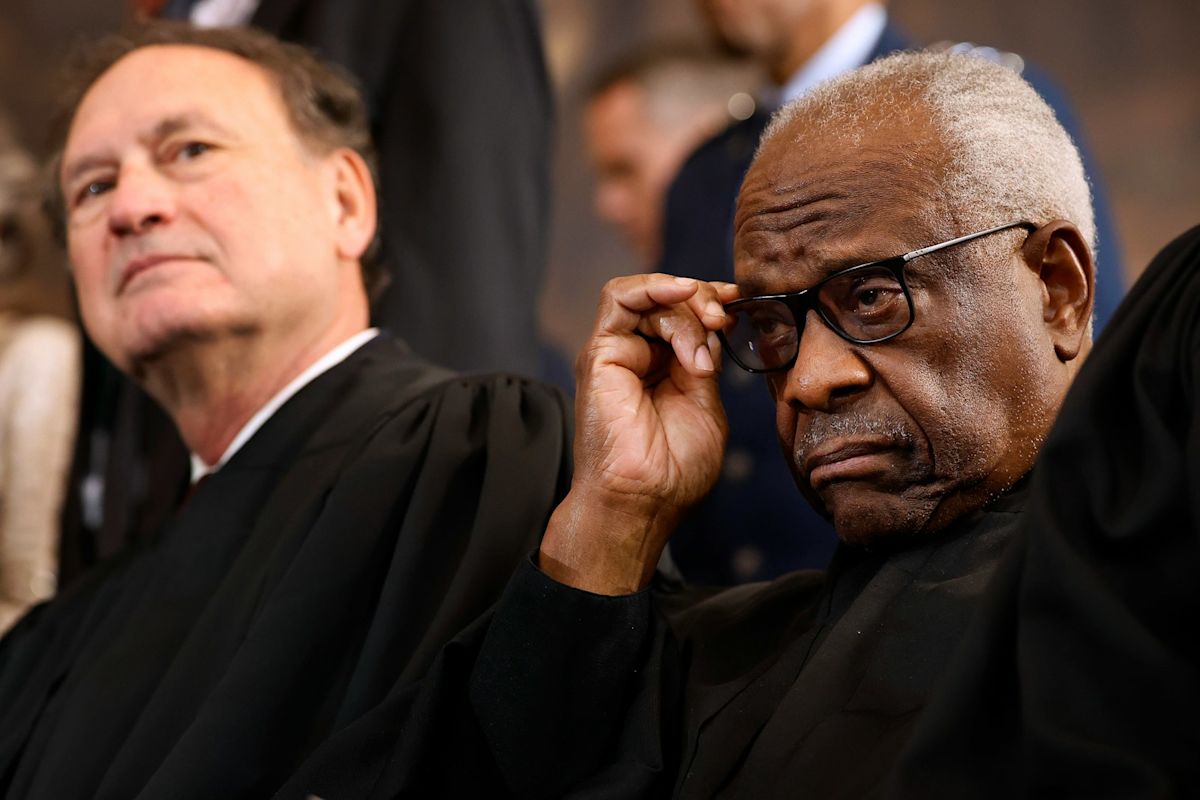
Although the court ruled decisively against the administration, the 7-2 division highlighted lingering philosophical divisions among the justices. Justices Clarence Thomas and Samuel Alito dissented, signaling their willingness to grant the emergency stay and allow the administration to put the postal restrictions into effect despite the impending election deadlines.
In a separate concurring opinion, Justice Brett Kavanaugh joined the majority in keeping the rule paused for the immediate midterms on equitable grounds, but left open the possibility that similar USPS regulatory frameworks could receive judicial approval in future election cycles if pursued under different circumstances.
The majority’s substantive ruling was remarkable for its extreme brevity, comprising an unsigned, three-sentence order. Beyond standard procedural text, the court stated succinctly that the government had failed to establish a likelihood of success on the legal merits against the district court's preliminary injunction, and noted that the equitable factors necessary for emergency relief did not justify a stay.
The succinct order stood in stark contrast to the court's handling of an earlier legal phase concerning the executive actions, when the justices produced a detailed, ten-page unsigned opinion. In that previous iteration, the court had expressed procedural skepticism regarding plaintiffs challenging executive branch deliberations, even as public statements from the president openly called for the elimination of mail-in voting.
When the case returned to the high court on the merits of the injunction, plaintiff states led by California tailored their arguments to the conservative majority’s skepticism of executive regulatory power. They explicitly invoked the major-questions doctrine, an established judicial standard requiring clear congressional authorization before federal agencies can decide matters of vast economic and political significance.
In their legal filings, state attorneys argued that Congress had never granted the USPS the statutory authority to obstruct or refuse the delivery of lawful ballots. California pointed out that federal law already contains an exhaustive, specific list of non-mailable items that postal carriers may legally decline to deliver, and standard election ballots are not among them.
The states bolstered their position by citing landmark Supreme Court precedents where administrative actions were invalidated under the major-questions doctrine, including rulings that struck down major clean-energy regulations, broad student loan cancellation initiatives, and federal workplace health mandates. The plaintiffs maintained that unilateral changes to national voting infrastructure carried even greater constitutional and political gravity than those earlier cases.
Ultimately, the high court agreed that the balance of harms strongly favored preserving the existing electoral status quo. By turning away the emergency appeal, the justices averted immediate disruption to midterm election preparations, though the split on the bench signals that debates over executive authority and federal election oversight will persist beyond November.





(0)