
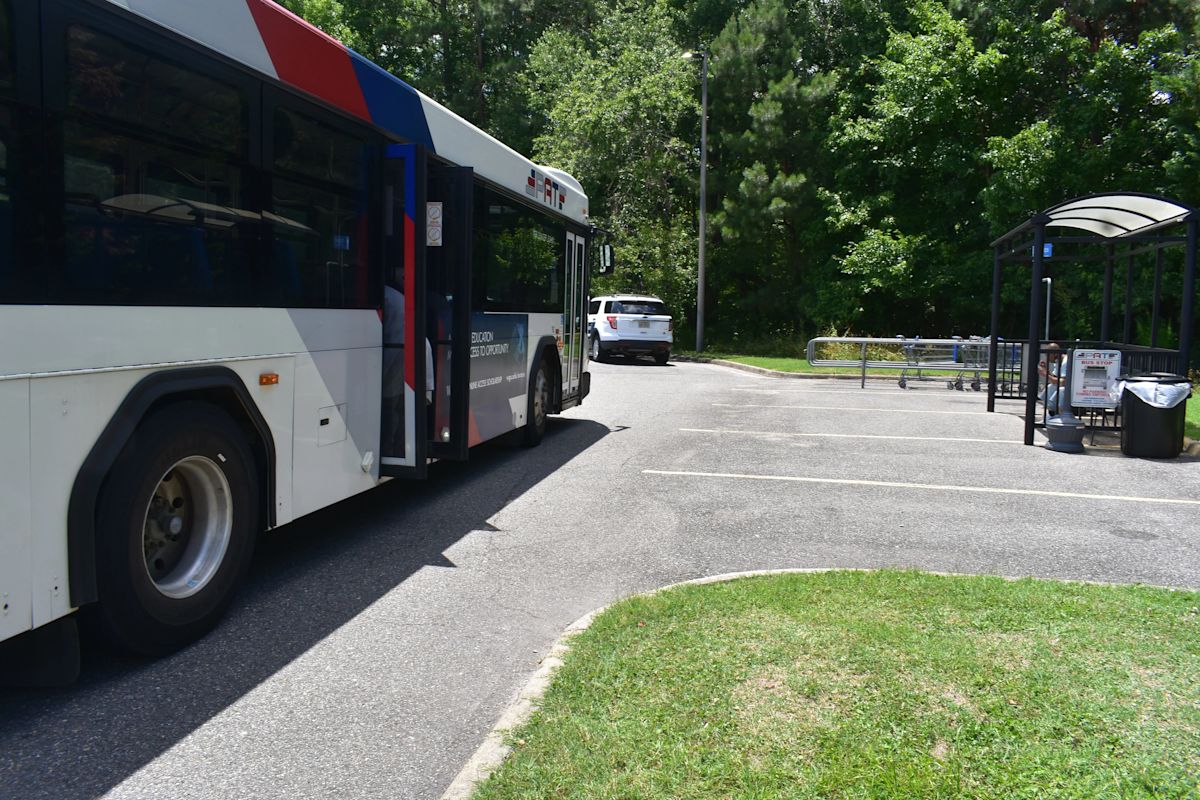
Petersburg Area Transit has enacted a major operational adjustment to its daily bus service by introducing a strict departure protocol designed to eliminate excessive idling at designated stops. The policy change comes after passengers expressed sustained frustration over prolonged travel delays that frequently disrupted their daily routines and schedules.
The transit provider announced the new measures in a public statement published to its official Facebook page on September 12, confirming that the procedural adjustments would take effect immediately across the city's bus network. Under the newly implemented rules, drivers are required to restrict stationary hold times at designated transit stops to a firm maximum window of no more than five minutes.
In standard public transportation terminology, a hold refers to a scheduled interval during which a bus remains parked and waiting at a specific stop for a predetermined duration. Transit operators typically schedule holds at major transfer points or the end of service lines to prevent buses from running ahead of schedule, ensure passengers can reliably catch connecting routes, and maintain balanced intervals across the entire network.
Despite the intended regulatory benefits of holding vehicles, local commuters reported that lengthy pauses were creating significant disruptions along their travel routes. Passengers pointed out that excessive idle times routinely made it difficult to arrive on time for crucial employment shifts and scheduled medical appointments, turning routine commutes into stressful and unpredictable journeys.
Transit officials directly acknowledged these commuter concerns in their announcement, noting that the schedule overhaul is specifically intended to restore reliability for regular passengers. By capping all planned stationary pauses at five minutes, the agency aims to eliminate unexpected travel bottlenecks while still preserving the basic schedule coordination required for passengers transferring between different lines.
In addition to restricting hold times, the agency has standardized departure timings at its central passenger facility. All buses originating from the downtown transit station on West Washington Street are now scheduled to depart at precisely 15 minutes past each hour across every municipal route in the service area.
While the new departure rules are intended to speed up transit times, agency representatives cautioned riders that external factors can still influence travel schedules. Transit officials advised passengers to build substantial extra time into their commutes to account for road congestion and unexpected traffic slowdowns, recommending that riders plan to arrive at least one hour before any critical appointment or work shift so they have the option to take an earlier bus if needed.
The procedural changes impact a municipal transit operation that serves the community six days a week, operating Monday through Saturday. Petersburg Area Transit manages a comprehensive network consisting of 15 distinct routes, structured into 10 daytime lines and five specialized nighttime services.
The system's daily operating schedule is split into two distinct operational shifts. Daytime bus runs begin early in the morning at approximately 6:15 a.m. and conclude in the early evening around 6:10 p.m., while nighttime service resumes roughly an hour later, operating from 7:15 p.m. until the final runs finish around 10:15 p.m.
The decision to limit hold times comes as the transit authority navigates broader logistical and operational hurdles across its service infrastructure. The agency is currently in the process of upgrading its vehicle inventory while actively seeking an appropriate new location to replace its existing fleet maintenance facility situated on Fairgrounds Road.
Equipment reliability has proven to be an ongoing challenge for the agency as it manages a total fleet of 43 buses. More than half of the vehicles currently operating in the system have exceeded the federal government's standardized benchmark for vehicle longevity, which establishes the typical operational life of a transit bus at 12 years of service or 500,000 accumulated miles.
The advanced age of the bus fleet has contributed directly to recurring mechanical issues and passenger discomfort during daily operations. The agency has experienced instances of vehicles suffering mechanical breakdowns while running active passenger routes, as well as recurring cooling system failures that left passengers without functional air conditioning during the most intense heat of the summer months.
Securing a modern replacement for the aging Fairgrounds Road maintenance depot remains a key institutional priority as officials work to address the persistent mechanical issues. Upgrading maintenance facilities is considered an essential component of the agency's broader strategy to support newer vehicles and keep the active fleet in proper operating condition.
By enforcing strict five-minute limits on vehicle holds alongside fixed downtown departure windows, transit managers hope to provide immediate scheduling relief for daily commuters as Petersburg Area Transit continues working through long-term fleet modernization and facility relocation plans.


(0)