
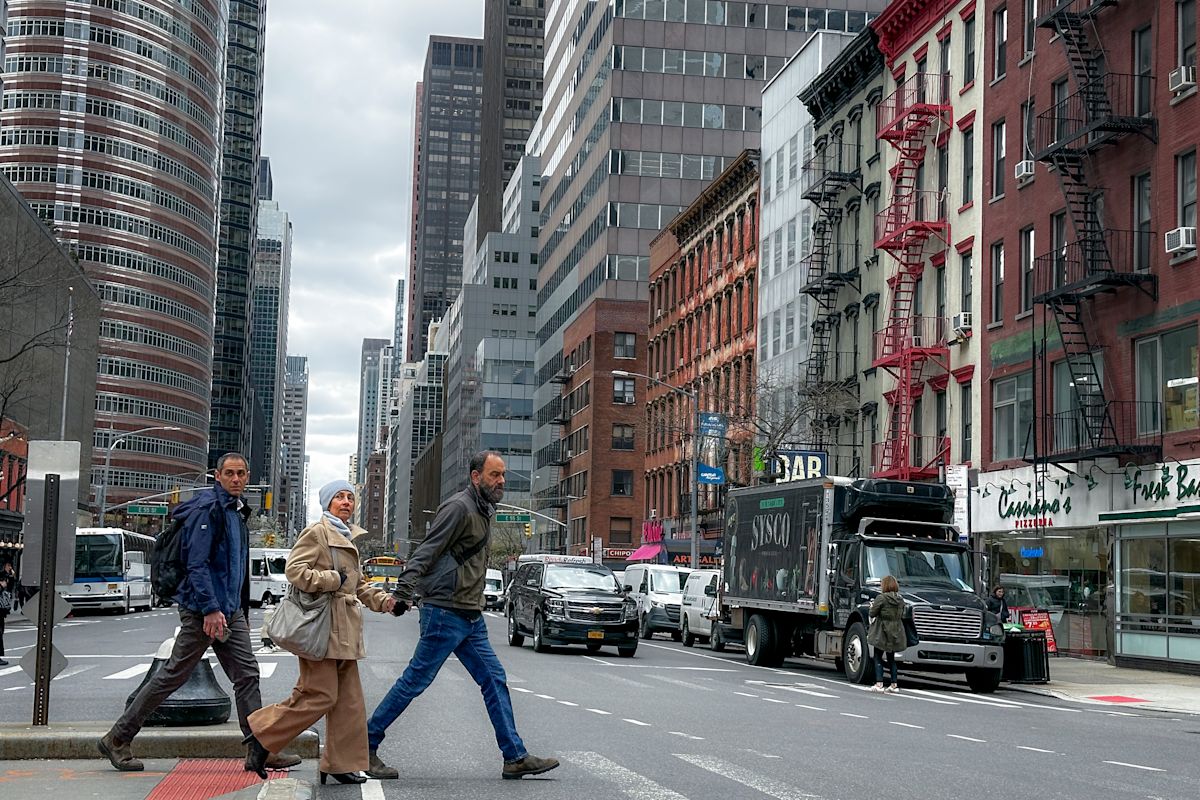
New York City officials have introduced a comprehensive 10-year roadmap aimed at fundamentally transforming urban traffic safety. The sweeping initiative, titled "Vision Zero Reimagined," outlines 100 strategic policy targets designed to drastically curtail traffic-related fatalities and establish safer conditions for pedestrians, bike riders, and motorists alike throughout the five boroughs.
Announced by Mayor Zohran Mamdani, the blueprint arrives at a pivotal juncture for the city's thoroughfares. Local regulators and transportation planners are grappling with increasingly crowded streets shaped by an evolving transportation ecosystem, where standard motor vehicles must continuously navigate alongside traditional bicycles, electric bikes, and a proliferation of diverse micromobility devices.
A central pillar of the newly announced agenda focuses on safeguarding vulnerable road users, particularly children traveling to and from educational facilities. Under the proposed measures, municipal officials plan to establish 15 mph speed limits adjacent to hundreds of additional school zones, compelling drivers to substantially reduce their travel speeds through high-foot-traffic areas.
To address the issue of habitual traffic offenders, the administration is pursuing strict behavioral interventions. Drivers who are repeatedly recorded exceeding speed limits within designated school zones could be subjected to mandatory speed-capping devices installed in their vehicles, physically restricting their capability to operate at hazardous velocities in monitored neighborhoods.
The 10-year strategy also places significant emphasis on modifying physical street architecture to mitigate crash risks. The municipal government plans to implement infrastructural enhancements and protective barriers across 1,000 intersections on an annual basis, re-engineering key junction points where conflicts between turning vehicles and crosswalk pedestrians most frequently take place.
Beyond localized intersection modifications, the proposal envisions a broader reallocation of public asphalt through the creation and expansion of pedestrian-only zones. By restricting automobile access on select corridors, the administration intends to foster dedicated public environments where pedestrians can move freely without the persistent threat of vehicular traffic.
The city is also seeking to lead by example by overhauling its own municipal operations. Under the plan, thousands of city-owned vehicles will be retrofitted or deployed with upgraded safety technologies, including advanced automatic braking systems capable of mitigating collision severity and audible warning alarms designed to alert nearby pedestrians to the presence of large municipal trucks.
In addition to fleet technology improvements, the proposal aims to discourage the prevalence of large automobiles on dense city roads. Officials are putting forward plans to levy higher toll rates on oversized passenger vehicles, a policy aimed at addressing the disproportionate footprint and potential hazards associated with operating large, heavy personal vehicles in urban settings.
The administration is simultaneously taking aim at motorists who actively evade identification and traffic enforcement. The blueprint establishes stepped-up enforcement initiatives to locate and impound vehicles operating with fraudulent or obscured "ghost plates," strengthening efforts to remove reckless operators who bypass automated traffic cameras and standard accountability measures.
Recognizing that traffic safety intersects with transportation accessibility, the policy framework incorporates an equity dimension. The administration is proposing dedicated funding assistance designed to help low-income New Yorkers shoulder the everyday expenses of using the public transportation network as well as the city’s Citi Bike bike-share system.
Emphasizing the philosophy behind the newly unveiled framework, Mayor Mamdani stressed that the city must adopt an aggressive, preventive posture toward road danger rather than reacting only after fatal incidents occur. The administration maintains that systemic engineering and policy fixes must precede fatal collisions rather than follow in their wake.
"We should not have to wait for another family to lose a loved one before we make a street safer. We are committed to building safe streets before tragedy - not because of it," Mamdani said during the announcement. "Vision Zero Reimagined puts forward the bold measures and practical fixes we need to make preventable tragedy no longer a part of everyday life in New York City."
Implementing the full breadth of the 100-point agenda will require a coordinated multi-level governmental approach. While several key components fall under the direct jurisdiction of municipal agencies and can be executed via mayoral authority, other substantial measures will necessitate formal legislative review and approval from state lawmakers in Albany.
The ambitious package builds directly upon the foundation of New York City’s original Vision Zero initiative, which was first established in 2014. According to municipal authorities, that pioneering framework helped lower roadway fatalities to historic lows over the ensuing years by deploying an integrated combination of targeted street redesigns, widespread public education, and persistent traffic enforcement.
With the rollout of "Vision Zero Reimagined," city leadership is seeking to update and modernize those core safety tenets to match the realities of a modern, multi-modal urban landscape over the coming decade. The administration underscored that street protection must be universally experienced across every neighborhood and mode of travel.
"Safety is a right for every New Yorker, no matter how you travel, where you are going or what neighborhood you call home," Mamdani said, reaffirming the city’s long-term commitment to ending preventable roadway deaths.





(0)