
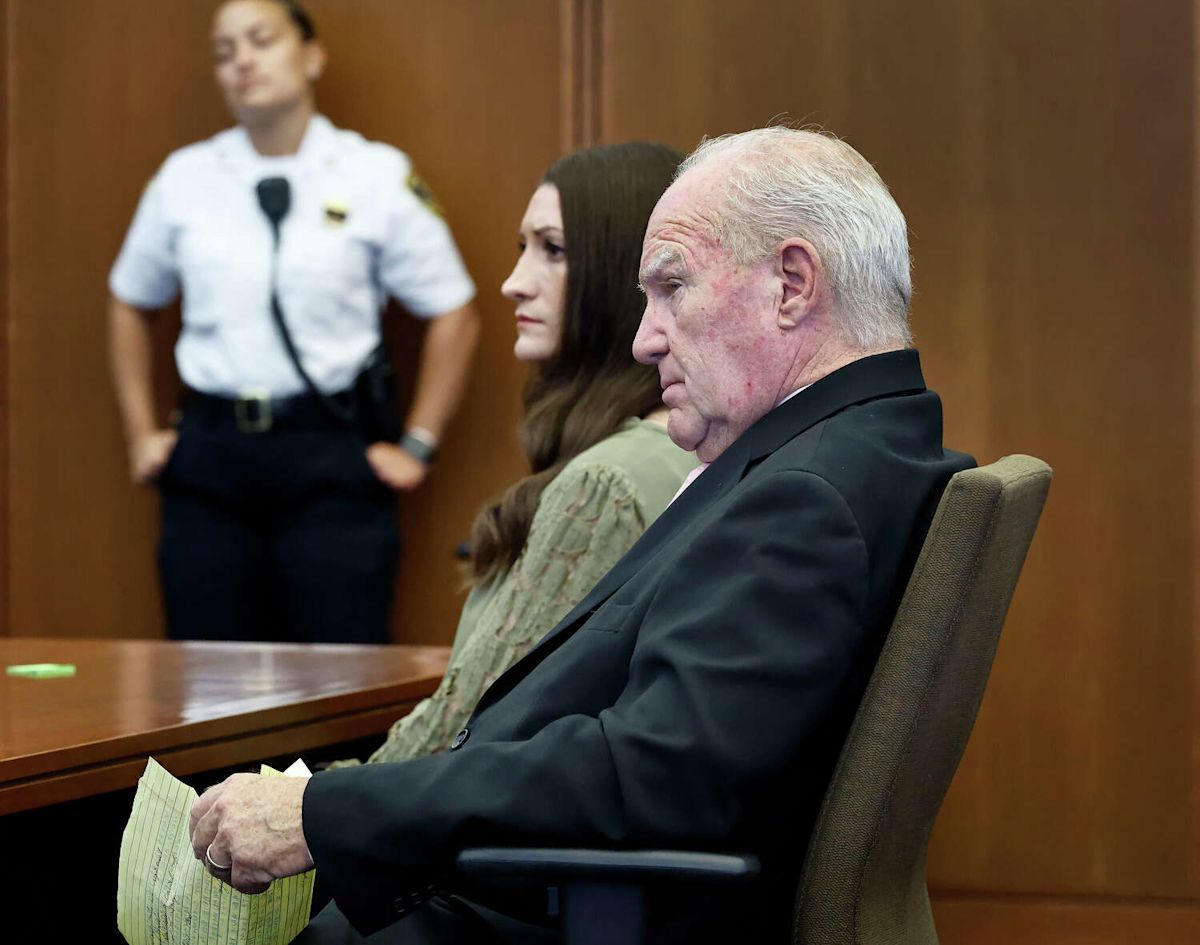
A Massachusetts judge has officially ordered the names of all jurors who served in the Lindsay Clancy murder trial to be impounded indefinitely, ruling that making their identities public would create a severe and immediate danger to their personal safety. The decision comes in the wake of intense public scrutiny and emotional division surrounding the high-profile case.
In a two-page judicial decision, Judge William Sullivan established that the personal details of all 18 citizens assigned to the panel—consisting of 12 deciding jurors and six alternates—will remain shielded under court seal until he chooses to issue a subsequent order. According to court records, the protective step was deemed essential to safeguard the participants from potential harm.
Judge Sullivan explicitly emphasized the gravity of the potential threats in his written ruling, concluding that the court faced a clear and present danger of immediate and irreparable injury if the juror list were to be released into the public domain under current circumstances.
The protective order marks an extension of an earlier measure enacted by Sullivan, who originally placed a 14-day temporary seal on the panel’s identities on September 4. That initial impoundment coincided with the judge declaring a mistrial after the 12-member jury exhausted approximately a week of contentious deliberations without being able to reach a unanimous verdict.
Explaining the necessity of making the secrecy order indefinite, Sullivan highlighted the extraordinary atmosphere surrounding the trial. The judge observed that the legal proceedings have continued to generate an immense volume of deeply divisive attention, not only across the state of Massachusetts but throughout the entire nation.
The court also cited an overwhelming surge of activity across social media platforms, where public commentary has intensely scrutinized the case. Sullivan noted that numerous online posts have raised serious issues regarding various hostile and volatile public reactions to the jury’s prolonged deliberations.
In addition to digital vitriol, the court had to contend with tangible security breaches during the proceedings. Sullivan highlighted an incident in which a 56-year-old Massachusetts woman was taken into custody outside the courthouse after authorities caught her surreptitiously recording video of jurors as they were exiting the building.
Following her arrest, the woman asserted to authorities that she had no intention of capturing footage of the jurors and maintained that her sole objective was to record Clancy. Nevertheless, the incident heightened institutional alarm regarding the vulnerability of the citizen panel during and after the trial.
The safety climate was further compromised by reports that multiple jurors had already been publicly identified across various platforms without their consent. In light of these unauthorized disclosures, at least one member of the jury formally approached the court to request that the impoundment order be extended on an indefinite basis.
The judge’s decision to lock down the records arrived just days after several jurors broke their silence and gave interviews to news reporters. In those public disclosures, panel members revealed that the jury had stood on the brink of reaching a definitive outcome, with 11 of the 12 deliberating members voting to find Clancy not guilty by reason of insanity.
According to the accounts shared by those jurors, the week-long deliberations deadlocked entirely because of a single holdout member. The speaking jurors claimed that this lone dissenting individual adamantly refused to endorse an acquittal, even after acknowledging during discussions that they harbored doubts regarding Clancy's criminal culpability.
The deeply polarizing trial stems from the tragic events of January 24, 2023, which resulted in the deaths of Clancy’s three young children: five-year-old Cora, three-year-old Dawson, and eight-month-old Callan. The Connecticut native stands charged with three counts of first-degree murder in connection with the fatal incident.
According to the allegations presented in court, Clancy carried out the strangulation of her three children inside the family residence during a window of time when her husband at the time, Patrick Clancy, had briefly stepped away from the home.
Throughout the lengthy trial, Clancy’s defense attorney, Kevin Reddington, consistently argued that his client was suffering from severe postpartum psychosis at the time of the killings. The defense maintained that this profound mental illness rendered her incapable of understanding the wrongfulness of her actions and legally not criminally responsible.
Conversely, prosecutors pushed for a first-degree murder conviction by painting a starkly different portrait of the defendant. The state argued that Clancy purposefully and methodically orchestrated the killings, describing her conduct as calculating, controlling, and manipulative rather than the result of an uncontrollable psychotic break.
With the mistrial leaving the prosecution unresolved and public passions remaining intensely inflamed, Judge Sullivan’s ruling ensures that the 18 men and women who carried out their civic duty will remain shielded from public exposure for the foreseeable future.







(0)