
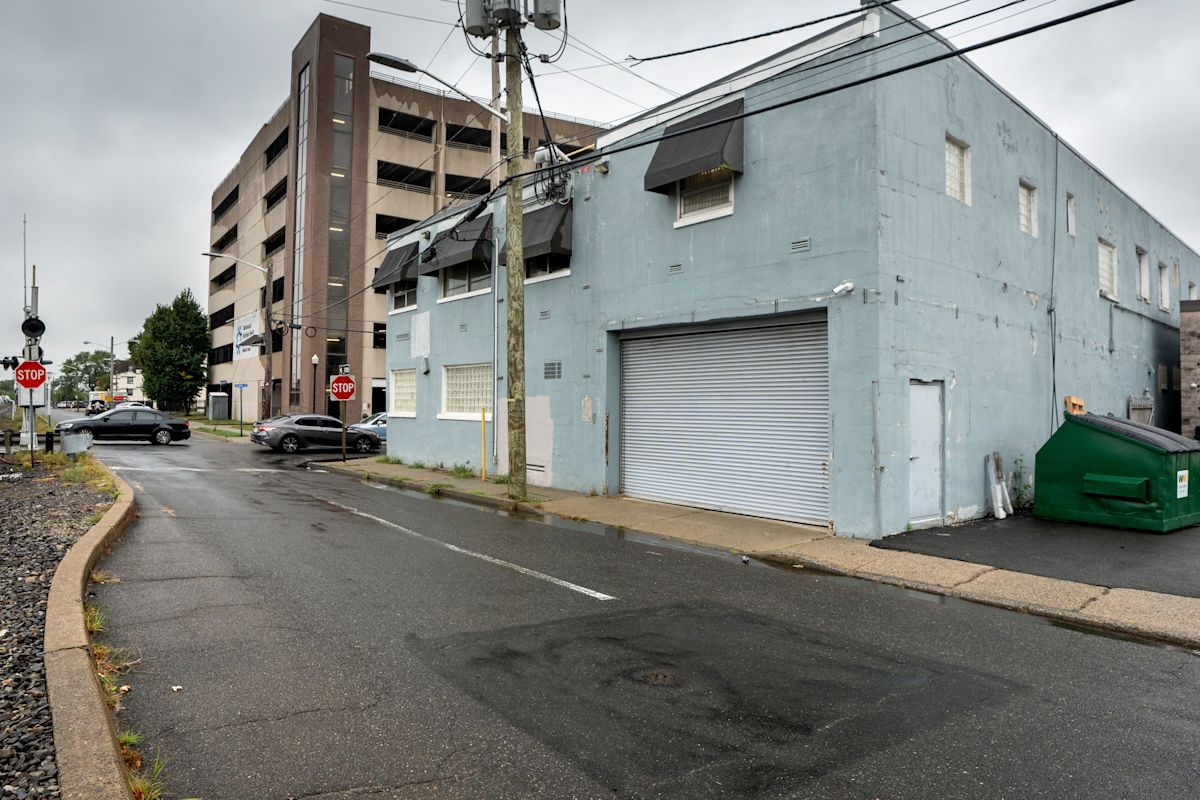
The rapid proliferation of data centers throughout North Jersey has established these technological facilities as a major hot-button issue across the state and beyond. As digital operations continue to expand, the physical infrastructure required to support massive computing networks has taken root in multiple communities, prompting extensive debate among residents, local stakeholders, and policy analysts over their presence.
Regardless of the total number of facilities established in the region, a significant number of community members continue to voice serious concerns regarding the potential impact these data centers may have on their surrounding neighborhoods. These local worries center heavily on environmental quality, neighborhood disruption, and the substantial strain that large-scale operations place on local municipal and energy resources.
A central point of community apprehension involves the extraordinary volume of natural resources consumed by such facilities during everyday operations. Because data centers house vast banks of computer servers running continuous operations, preventing server hardware from overheating requires massive cooling systems that place immense demands on regional water supplies.
The scale of this water consumption was detailed in a report published by the New Jersey Policy Perspective. According to the organization's research, a single medium-sized data center is capable of consuming more than 100 million gallons of water every year, underscoring the substantial environmental footprint associated with maintaining digital processing infrastructure.
To place that consumption rate into perspective, researchers highlighted that 100 million gallons of annual water usage is roughly equivalent to the total amount of water consumed by an entire small town. This comparison has fueled public unease over the cumulative strain that multiple data facilities could impose on shared municipal water resources across the state.
In addition to heavy water consumption, data centers are poised to claim an increasingly large share of the state’s electrical power supply. Projections cited in reporting by NorthJersey.com indicate that nearly 10% of all electricity usage throughout the state of New Jersey will come directly from data centers over the next four years.
This dramatic surge in power requirements illustrates the immense energy appetite of modern data infrastructure as new facilities come online. The prospect of technological processing centers consuming nearly a tenth of the entire state's electricity within a four-year timeframe has intensified discussions surrounding regional grid capacity and long-term utility planning.
The expanding footprint of these facilities is well documented across northern New Jersey, where numerous sites are actively functioning or currently in development. Industry records from DataCenters.com show a widespread list of North Jersey locations where data centers are operating or are under active construction.
Beyond the continuous resource demands placed on water and electric infrastructure, data facilities also present localized environmental and operational risks to surrounding communities. These physical hazards were brought to the forefront during a recent industrial incident involving a major data facility in Hudson County.
On September 13, 2026, an oil spill occurred at the Equinix Data Center located in Secaucus, New Jersey. The fuel spill took place near Anderson Creek, an environmentally sensitive waterway situated within the Meadowlands, prompting an immediate response to contain the resulting contamination.
Following the spill, specialized cleanup equipment was deployed directly into Anderson Creek in Secaucus to address the fuel discharge and prevent the further spread of contaminants through the local waterway.
Response personnel were dispatched to oversee containment and environmental recovery work in the Meadowlands area. An employee from Clean Harbors was on site to monitor the cleanup operations in the wake of the Equinix Data Center oil spill.
Remediation operations remained ongoing as crews worked along the banks and the dirt located at the mouth of Anderson Creek. Cleanup machinery and containment equipment stayed stationed around the Equinix property to manage the affected terrain and monitor local conditions.
The incident near the mouth of Anderson Creek underscored the direct environmental challenges that can accompany industrial data operations. For nearby residents, the Secaucus fuel spill highlighted the practical risks that these sprawling facilities can pose when located in close proximity to delicate regional ecosystems.
As data centers continue operating and expanding across North Jersey, the intersection of digital growth, severe utility demands, and local environmental safety remains under intense scrutiny. Between the tens of millions of gallons of water consumed, rising electricity projections, and active spill cleanups, data centers remain at the core of an ongoing statewide controversy.





(0)