
Home gardeners seeking to soften outdoor borders and cultivate an enchanting, storybook ambiance are increasingly turning to bell-shaped blossoms. Characterized by their pendulous petals and distinctive architectural silhouettes, these specialized flowers provide graceful movement along garden walkways, inside patio containers, and across expansive landscape beds.
The aesthetic appeal of bell-form cultivars is matched by a remarkable diversity in growth habits. Horticultural varieties encompass everything from compact woodland groundcovers that carpet shaded soil to commanding spires that anchor background borders. By selecting species that flower across different seasonal windows, growers can sustain continuous visual interest from the late chills of winter through the height of summer.
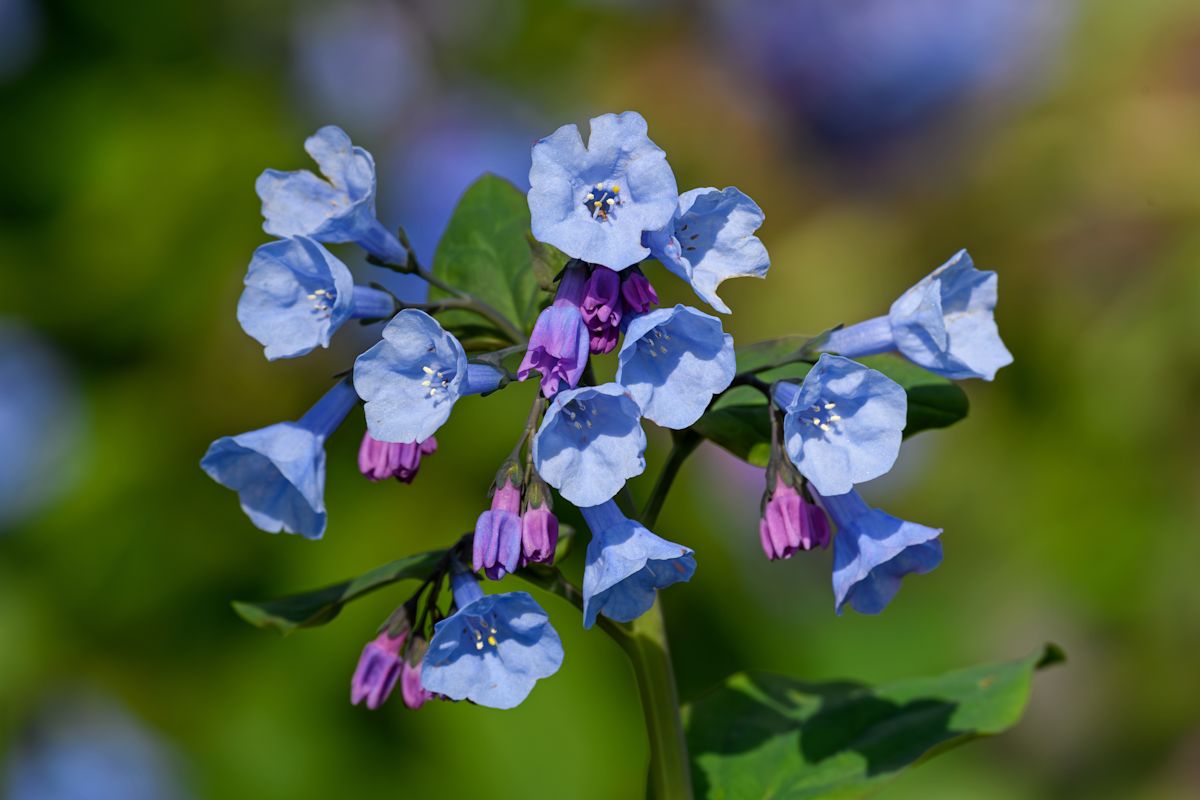
Among the most celebrated native spring ephemerals is the Virginia bluebell. Originating in the eastern regions of the United States, this perennial develops pale gray-green foliage and tubular floral stalks reaching heights of up to 24 inches. As the blooms mature, they undergo a striking transition from delicate pink to pure sky blue before the foliage goes dormant in summer, often naturalizing into broad, picturesque drifts.
For shaded garden settings, gardeners frequently turn to bellwort and lungwort (*Pulmonaria*) to brighten darker corners. Bellwort serves as a graceful native spring wildflower that displays drooping yellow petals across USDA hardiness zones 4 through 9. Meanwhile, lungwort delivers early spring color while providing natural defenses against local wildlife, relying on textured, hairy leaves that effectively deter browsing deer.
Fritillaries bring a distinctive geometric element to partially shaded spaces, featuring bell-like blossoms recognized for their checkered coloration. These bulbs thrive in cool, well-drained soil and offer the practical advantage of repelling squirrels and other nuisance rodents. While species such as *Fritillaria imperialis* are often planted as annuals, they reliably return as perennials when cultivated under appropriate soil and moisture conditions.
Gardeners seeking vertical accent points in shaded beds frequently incorporate foxglove. Producing towering flower spikes filled with tubular, bell-shaped florets, this classic biennial or perennial blooms from late spring into early summer and remains hardy across zones 4 through 10, establishing height above lower-tier garden companions.
Coral bells (*Heuchera spp.*) deliver dual ornamental value through both their foliage and their flowering stems. This low-growing perennial forms dense mounds of colorful leaves beneath airy wands of delicate bell-shaped blossoms. Known for its strong resistance to common plant diseases, coral bells perform exceptionally well in woodland gardens where its nectar supplies draw in local pollinating insects.
As winter draws to a close, snowdrops serve as one of the earliest indicators of the awakening growing season. Producing clean white nodding blossoms in late winter, these resilient bulbs perform reliably in partially shaded microclimates. They adapt well to clay soils, provided the ground is not overly compacted and retains sufficient drainage.
For arid, exposed locations, beardtongue—also known as *Penstemon*—offers an exceptionally durable option. Capable of reaching up to four feet in height across hardiness zones 3 through 9, this perennial produces showy, long-lasting flowers defined by a sterile stamen. It thrives in poor, rocky ground under full sun and requires weekly irrigation during the dry summer months.
Woody ornamentals can also showcase bell-shaped profiles, as demonstrated by weigela. This fast-growing deciduous shrub can achieve mature heights of up to six feet, flourishing in full sunlight and holding up well in heavier clay soils. Throughout its primary flowering cycle, it yields prolific pink to red blossoms that draw an abundance of beneficial pollinators.
Fragrance represents another significant dimension introduced by spring-flowering hyacinths. Available in an array of shades including blue, pink, and crisp white, hyacinths can be established outdoors in porous soil or forced indoors in containers to provide early perfume and vibrant color before the main outdoor garden awakens.
Traditional bellflowers remain a standard selection for sunny borders, displaying open, bell-formed blossoms in tones of purple, blue, and white. These nectar-rich perennials thrive in sunlit spaces, functioning as dependable feeding stations for foraging bees and other insects throughout their active bloom period.
Golden columbine (*Aquilegia chrysantha*) introduces an intricate five-spurred flower structure that stands out against dark, clover-shaped foliage. Well-suited for sloped banks, rocky ledges, and open garden plots, columbine provides striking visual appeal while naturally resisting deer and welcoming local wildlife.
Daffodils (*Narcissus*) round out the essential spring bulb collection with their familiar trumpet-shaped blooms, composed of a central cup encircled by outward-facing petals. Hardy in zones 3 through 8, daffodils require minimal maintenance once planted in well-drained soil under full to partial sunlight, multiplying over time to create self-sustaining seasonal colonies.
Vining morning glories present a dynamic daily rhythm with large, trumpet-shaped blue blossoms that unfurl each dawn and close by afternoon. Thriving in full sunlight with consistent moisture and loose soil, these vigorous climbers grow as annuals in cooler regions or perennials in warmer climates, providing quick vertical coverage on fences and trellises.
By thoughtfully combining these fourteen bell- and trumpet-flowering varieties, property owners can craft multi-tiered landscapes that unite visual charm with practical garden performance. Whether tailoring plantings to rocky, sun-drenched slopes or moist woodland shade, growers have access to a versatile botanical palette that enriches biodiversity and delivers seasonal beauty.








(0)