
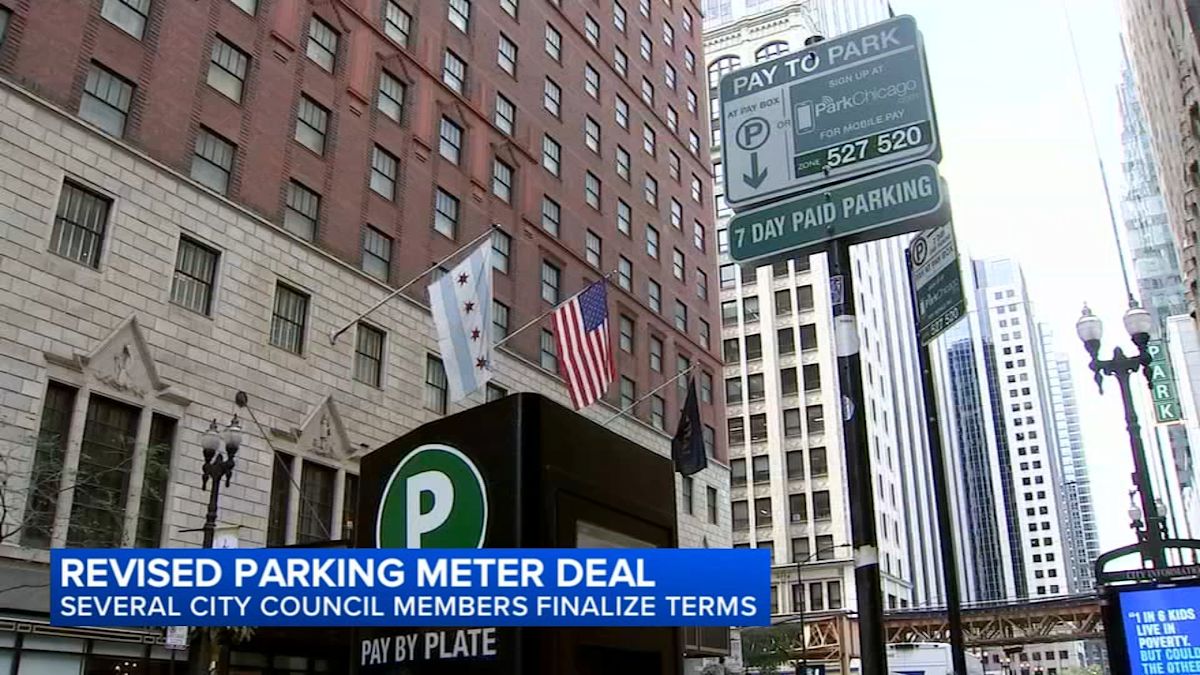
Members of the Chicago City Council have crafted a proposed agreement to transfer the city’s controversial parking meter system to New York investment firm Stonepeak Partners. The renegotiated arrangement is designed to inject hundreds of millions of dollars into municipal finances while addressing human rights concerns surrounding the prospective operator.
Under the framework established by key alderpersons and the municipal law department, Chicago would secure an immediate $75 million transfer fee upon closing the transaction. In addition, the city would receive a 5% cut of the system's annual net operating income, an ongoing revenue stream estimated to deliver over $376 million across the duration of the remaining lease term.
City officials have designated all proceeds generated from the proposed transaction strictly for Chicago’s municipal pension obligations. By directing the transfer fee and continuing profit share toward the city's pension funds, supporters hope to stabilize municipal retirement accounts without placing additional strain on taxpayers.
The proposed transaction represents a major restructuring of the widely criticized 2008 privatization agreement. Under that original contract, the city leased its parking meter operations to Chicago Parking Meters LLC for a 75-year duration, creating long-standing frustration among local elected leaders and residents who viewed the long-term concession as deeply disadvantageous.
Reflecting the enduring resentment surrounding the 2008 arrangement, 27th Ward Alderman Walter "Red" Burnett described the initial privatization as the most toxic deal in the history of the city. For nearly two decades, council members have grappled with the restrictive terms and high costs imposed by the long-term agreement.
The current compromise was intentionally shaped by council leaders rather than the executive branch. Council members took full charge of the multi-month negotiation process in conjunction with the city’s legal staff, purposefully keeping Mayor Brandon Johnson detached from discussions following transparency concerns that arose during his administration's unsuccessful attempt to buy back the meter system last year.
Alderman Scott Waguespack of the 32nd Ward defended the newly constructed package as a sensible and necessary step toward fiscal improvement. While acknowledging that the proposal cannot completely erase the financial missteps of previous decades, he argued that the revised terms establish a much stronger foundation for the city's financial outlook over the coming decades.
Beyond the immediate financial terms, the agreement also resolved a major ethical dispute that had stalled earlier deliberations. Stonepeak Partners agreed to divest from Omni Air International, an aviation charter entity that had previously been used by the Trump administration to execute deportation flights for U.S. Immigration and Customs Enforcement.
The concession regarding the aviation company was critical in softening previous resistance within the council. Alderman Mike Rodriguez of the 22nd Ward observed that the divestment represents a positive move in the right direction, though he noted that he intends to consult with his local community before determining how he will cast his vote.
Proponents of the measure have emphasized the severe legal and financial repercussions Chicago could encounter if the deal is not ratified. Finance Committee Chair and 3rd Ward Alderman Pat Dowell warned that rejecting the proposed transfer could trigger costly legal proceedings or binding arbitration, potentially exposing the city to billions of dollars in liabilities.
Dowell also urged executive cooperation, noting that the City Council took ownership of the issue after the mayor left the task to them. Having finalized the terms, Dowell stated that she hopes the mayor will now actively assist in rounding up the necessary council votes to secure final passage.
Mayor Johnson has thus far withheld an explicit endorsement of the negotiated proposal. However, the mayor expressed gratitude and optimism regarding the package, stating that he hopes the City Council will successfully establish a viable path forward that serves the best interests of local taxpayers.
For everyday drivers in Chicago, the legacy of the original 2008 agreement remains tangible, particularly in the central Loop area where meter rates have more than doubled since the meters were first privatized. Local public reaction to the proposed financial settlement remains divided, with downtown resident Sachin Bhalerao viewing any effort to recover money as worthwhile, while Northwest Side resident Nina Arceta expressed skepticism that the recovered funds would make a noticeable difference.
A prior committee vote on the ownership transfer had been postponed following pushback from alderpersons who expressed dissatisfaction with the initial process. The full City Council is expected to take up the finalized measure for a decisive vote in the coming week, facing a strict end-of-the-month deadline to execute the transaction and avoid looming legal risks.





(0)